
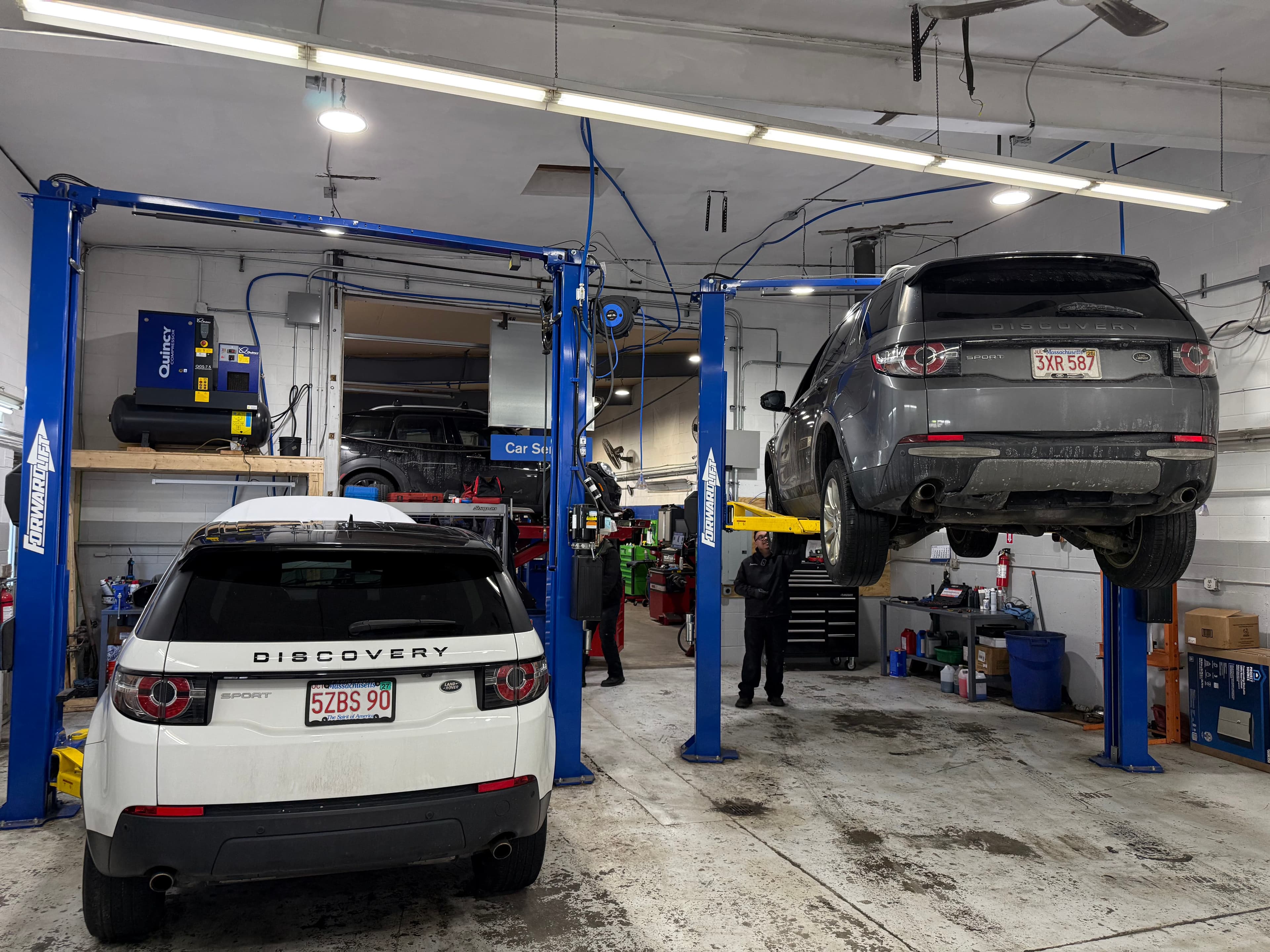
If you drive a BMW, Mercedes-Benz, Audi, or Porsche, you've probably noticed that the manufacturer's oil change interval is far longer than the old "every 3,000 miles" rule you grew up with. BMW's Condition Based Service system, Mercedes' ASSYST Plus, and Audi's service interval display can suggest intervals as long as 10,000 to 15,000 miles. For Norwood, MA drivers, that raises a legitimate question: how often should you actually change the oil?
Why European Oil Change Intervals Are Longer
European automakers engineer their engines to tighter tolerances and mandate the use of specific synthetic oil formulations — typically BMW LL-01, Mercedes 229.5, or Audi VW 502/505 specifications. These full-synthetic oils maintain viscosity and film strength far longer than conventional oils. Combined with oil condition monitoring systems that track actual degradation rather than just mileage, longer intervals are genuinely supportable under ideal conditions.
Pro Tip
Always use the oil specification printed on your oil cap or in the owner's manual — not just any 5W-30 or 0W-40. Using the wrong oil spec can void warranty coverage and reduce engine protection.
Why Norwood, MA Driving Conditions Matter
Oil change intervals published by manufacturers are typically calibrated for moderate driving conditions: consistent highway speeds, mild temperatures, and clean air. Norwood, MA driving rarely matches that profile.
- •Short trips (under 10 miles) from neighborhoods like Balsters Hill to Route 1 don't allow the engine to fully warm up, causing moisture and fuel to contaminate the oil faster
- •Stop-and-go traffic on Route 1, Washington Street, and I-95 puts more load on the oil than steady highway driving
- •New England winters mean cold starts — the most stressful condition for any engine oil
- •Summer heat on the Mass Pike and Route 95 can stress oil viscosity on longer drives
These are what automakers call "severe" or "demanding" driving conditions. Under these conditions, waiting the full 10,000–15,000 miles between oil changes is not ideal for long-term engine health.
Our Recommended Intervals by Brand
Based on years of servicing European vehicles in Norwood, MA, here are the oil change intervals we recommend for typical New England driving:
- •BMW: Every 7,500–10,000 miles (not the full 15,000 the CBS may suggest for local driving patterns)
- •Mercedes-Benz: Every 7,500–10,000 miles with the correct 229.5 or 229.51 specification oil
- •Audi: Every 7,500 miles — Audi's variable service intervals can stretch too far under local driving conditions
- •Porsche: Every 10,000 miles or annually, whichever comes first
- •Mini Cooper: Every 10,000 miles with BMW LL-01 spec oil
- •Land Rover: Every 7,500–10,000 miles depending on model year
Signs Your Oil Needs Changing Sooner
Don't rely solely on your service indicator. These signs mean your oil needs attention regardless of mileage:
- •Oil appears black and gritty on the dipstick rather than amber
- •Engine sounds louder or rougher than normal at startup
- •Oil level is low (indicating consumption — common in high-mileage BMW and Audi engines)
- •Service indicator shows 15% or less remaining
Important
Many BMW and Mercedes engines consume a small amount of oil between changes — this is normal. However, if you're consistently adding more than a quart between changes, bring the car in. Excessive consumption can indicate a worn valve seal or piston ring issue.
Oil Changes Done Right in Norwood, MA
At Revolution Automotive on Walpole Street in Norwood, every oil change uses the correct manufacturer-specified oil grade and filter. We reset your service indicator properly, perform a multi-point inspection, and check the oil drain plug and filter housing for any seepage — a common issue on higher-mileage BMW and Mercedes engines. Our 3-year / 36,000-mile warranty covers every oil change service.